
Old Atlanta StoriesMusic & Culture
What might you have heard on WERD?
Music, worship, public affairs and neighborhood news shared the airwaves.
Music, worship, public affairs and neighborhood news shared the airwaves.
ListenHear the archiveUse the record as atmosphere and archive, not the whole thesis.
ContextVerified trail1 Public Source linked below for public context.
Rhythm and blues, jazz and gospel shared the schedule with church services, educational programs, public affairs and neighborhood news. The mix made WERD useful as well as entertaining: listeners could hear artists ignored elsewhere, learn what was happening around Auburn Avenue and receive information from institutions they trusted.
That blend became a template for Black-oriented radio around the country. The format recognized that a community was not a niche genre—it was an audience with a full civic and cultural life.
Keep the thread
Stories that connect.
Keep going through the people, places, and moments behind this story.
Before “Black radio” became a national industry, WERD proved that ownership could turn a local signal into cultural power.
Open storyShared thread: Black BusinessChurches, Businesses and Block MemoryThe places that made a neighborhood feel like home.
Open storyShared thread: Sweet AuburnThe station upstairs, the movement downstairsOn Auburn Avenue, a single building connected culture, enterprise and the civil-rights movement.
Open storyYour Atlanta belongs here
Remember this corner of the city?
A photograph, flyer, family name, date, or firsthand memory can add another layer to the story.

More from Issue 3
Before “Black radio” became a national industry, WERD proved that ownership could turn a local signal into cultural power.
On Auburn Avenue, a single building connected culture, enterprise and the civil-rights movement.
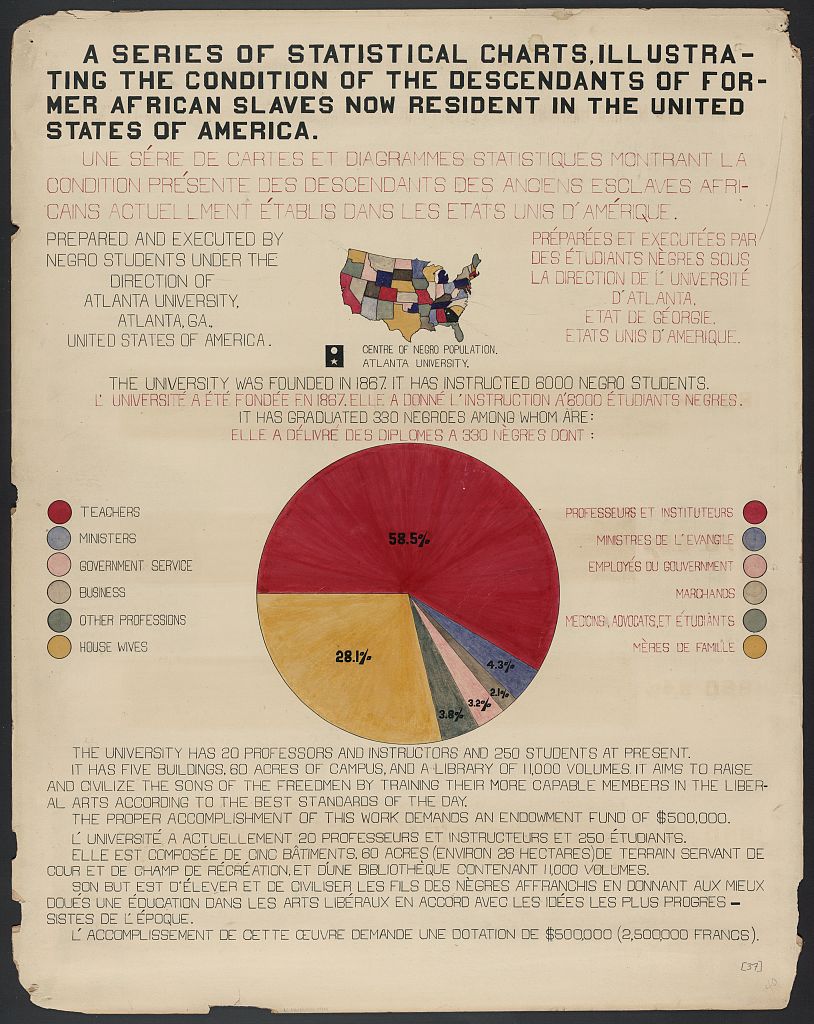 Atlanta made data beautiful before dashboards
Du Bois and Atlanta University students used design to challenge racist claims at the 1900 Paris Exposition.
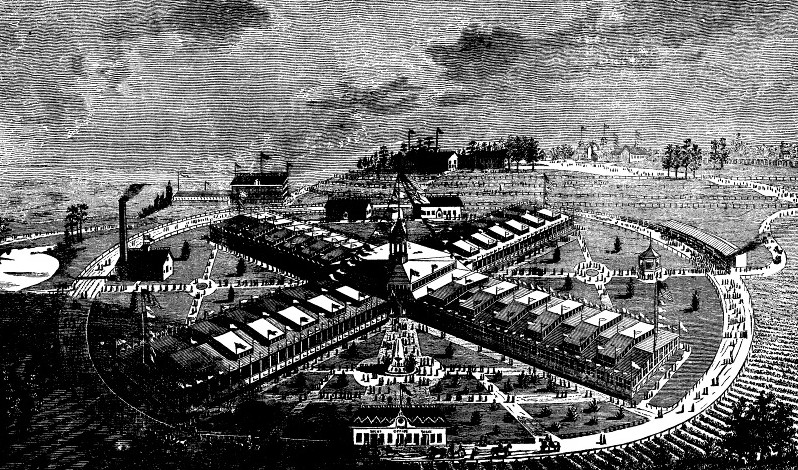 When washerwomen used a world's fair as leverage
In 1881, Black laundresses organized for better pay as Atlanta prepared to welcome the world.