
Old Atlanta StoriesHistory & Facts
The station that put Black Atlanta on the air
Before “Black radio” became a national industry, WERD proved that ownership could turn a local signal into cultural power.
Before “Black radio” became a national industry, WERD proved that ownership could turn a local signal into cultural power.
ListenListen while you readUse the record as atmosphere and archive, not the whole thesis.
ContextVerified trail1 Public Source linked below for public context.
In 1949, Atlanta woke up to a different kind of radio station. WERD already existed as a small station, but its new owner, Jesse B. Blayton Sr., changed who controlled the microphone, who worked behind it and whose daily life counted as news.
Blayton was an accountant, Atlanta University professor and bank president. He paid $50,000 for the 1,000-watt station and placed it in the Prince Hall Masons Grand Lodge on Auburn Avenue. Other stations had already experimented with programming for Black audiences. WERD’s breakthrough was ownership: it became the first American radio station owned by an African American.
That distinction changed the institution from the inside. Blayton hired his son Jesse Jr. as station manager. The younger Blayton brought in veteran announcer Jack Gibson and replaced the remaining all-white announcing staff with Black professionals. WERD’s celebrated “Four Horsemen”—Gibson, Joe Howard, Roosevelt Johnson and Jimmy Winnington—mixed music with church services, public affairs, education and community information.
Blayton also hired Ken Knight as program director, building a team that could decide how Black Atlanta sounded instead of simply performing inside somebody else’s format. That control mattered. A station schedule is a map of whose work, worship, politics and pleasure deserve public attention. At WERD, local voices could move from the margins into the normal rhythm of the broadcast day. The station did not have to treat Black life as an occasional special program; it could make the community the organizing principle of the entire service.
Gibson, known first as “Jockey Jack” and later as “Jack the Rapper,” understood that a disc jockey could be more than a voice between records. His personality helped make WERD commercially viable while giving Atlanta listeners a sound shaped for them rather than merely sold to them. He became one of the city’s leading radio personalities.
The address amplified the station’s influence. Prince Hall’s building stood in the heart of Sweet Auburn, surrounded by Black banks, newspapers, insurance companies, churches and professional offices. The Southern Christian Leadership Conference later worked in the same building. One often-told story says Martin Luther King Jr. signaled the studio from below when he needed airtime and a microphone was lowered from an upstairs window. Whether every detail of that story can be documented or not, the larger relationship is clear: WERD carried civil-rights information and placed movement voices directly before Black listeners.
The station was also a business lesson. Black performers gained airplay; Black-owned businesses could advertise to customers who had often been ignored by mainstream media; and Black announcers gained a professional platform. WERD treated the audience as citizens, consumers and makers of culture all at once.
Blayton sold the station in 1968, and the original WERD era ended soon afterward. Its influence did not. Gibson helped build the Black radio and music-business networks that followed, while the Prince Hall building remained a physical reminder of how tightly Atlanta’s business, cultural and political institutions were connected. WERD’s signal was modest. Its idea was enormous: Black Atlanta should not merely appear on the air—it should own the station.
Keep the thread
Stories that connect.
Keep going through the people, places, and moments behind this story.
Black business, faith and culture meet on Auburn Avenue.
Open story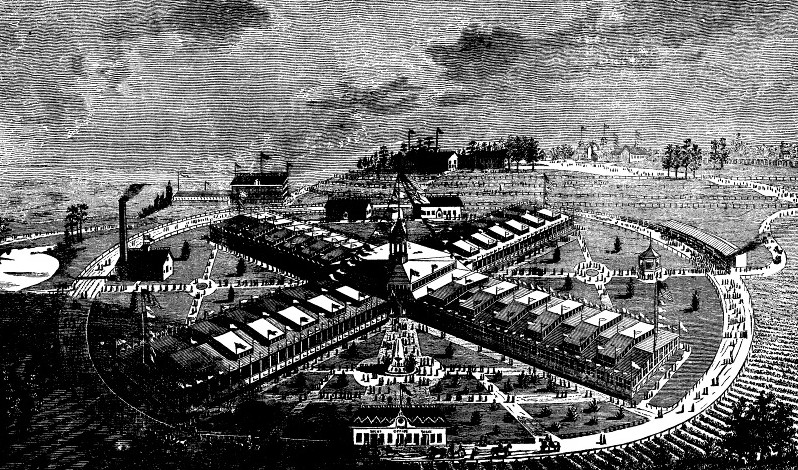 Same History & Facts collectionWhen washerwomen used a world's fair as leverage
In 1881, Black laundresses organized for better pay as Atlanta prepared to welcome the world.
Open storyShared thread: Sweet AuburnThe station upstairs, the movement downstairsOn Auburn Avenue, a single building connected culture, enterprise and the civil-rights movement.
Open storyYour Atlanta belongs here
Remember this corner of the city?
A photograph, flyer, family name, date, or firsthand memory can add another layer to the story.

More from Issue 3
On Auburn Avenue, a single building connected culture, enterprise and the civil-rights movement.
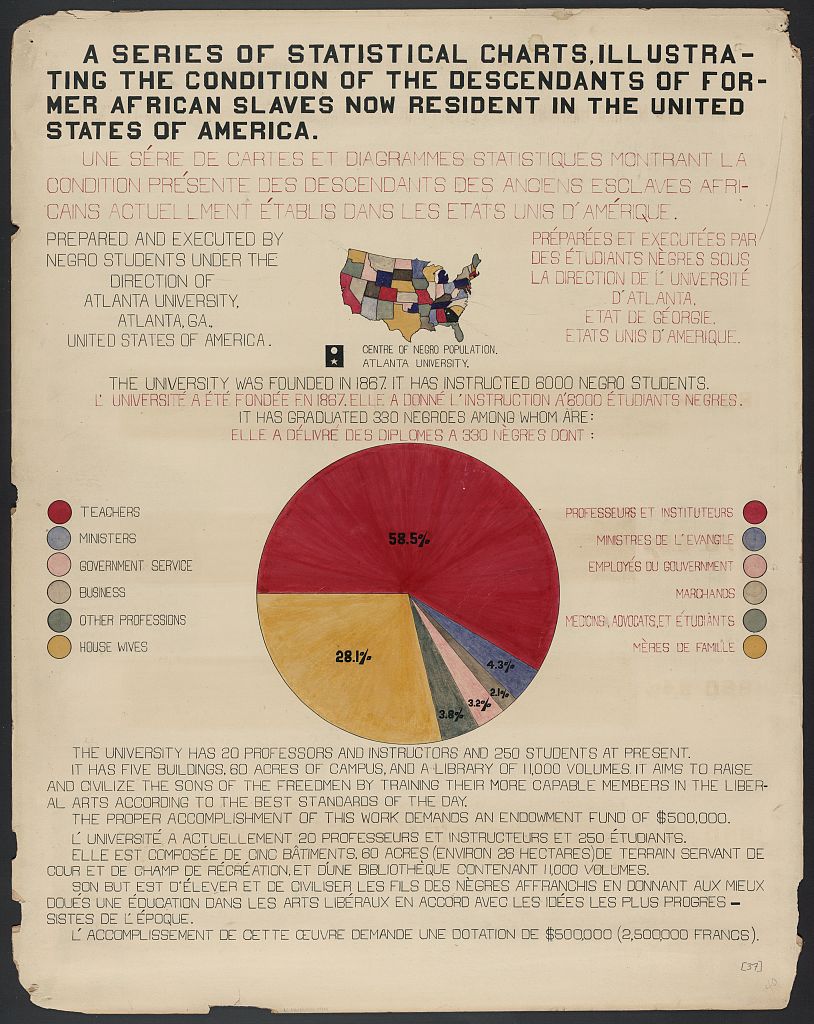 Atlanta made data beautiful before dashboards
Du Bois and Atlanta University students used design to challenge racist claims at the 1900 Paris Exposition.
When washerwomen used a world's fair as leverage
In 1881, Black laundresses organized for better pay as Atlanta prepared to welcome the world.
Music, worship, public affairs and neighborhood news shared the airwaves.