
Old Atlanta StoriesHistory & Facts
When washerwomen used a world's fair as leverage
In 1881, Black laundresses organized for better pay as Atlanta prepared to welcome the world.
In 1881, Black laundresses organized for better pay as Atlanta prepared to welcome the world.
ListenListen while you readUse the record as atmosphere and archive, not the whole thesis.
ContextVerified trail1 Public Source linked below for public context.
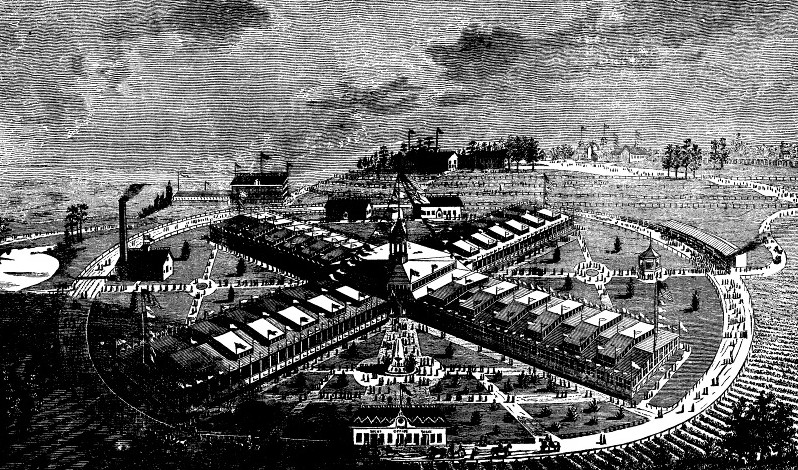
In July 1881, twenty Black laundresses organized Atlanta’s Washing Society and demanded a uniform rate of one dollar per twelve pounds of laundry. Within weeks, the movement counted roughly 3,000 members and threatened to disrupt the city just as leaders prepared for the International Cotton Exposition.
Officials answered with arrests, fines and a proposed license fee. The women countered that they would pay the fee if it protected their right to control the trade. Their campaign revealed how much Atlanta’s celebrated “New South” depended on Black women’s labor—and how collective action could make that dependence visible.
Keep the thread
Stories that connect.
Keep going through the people, places, and moments behind this story.
 Same History & Facts collectionSweet Auburn: A City's Voice
Black business, faith and culture meet on Auburn Avenue.
Open storySame History & Facts collectionMaynard Jackson and an Atlanta EraA connection to Atlanta's civic history.
Open storySame History & Facts collectionThe station that put Black Atlanta on the airBefore “Black radio” became a national industry, WERD proved that ownership could turn a local signal into cultural power.
Open storyYour Atlanta belongs here
Remember this corner of the city?
A photograph, flyer, family name, date, or firsthand memory can add another layer to the story.

More from Issue 3
The station that put Black Atlanta on the air
Before “Black radio” became a national industry, WERD proved that ownership could turn a local signal into cultural power.
On Auburn Avenue, a single building connected culture, enterprise and the civil-rights movement.
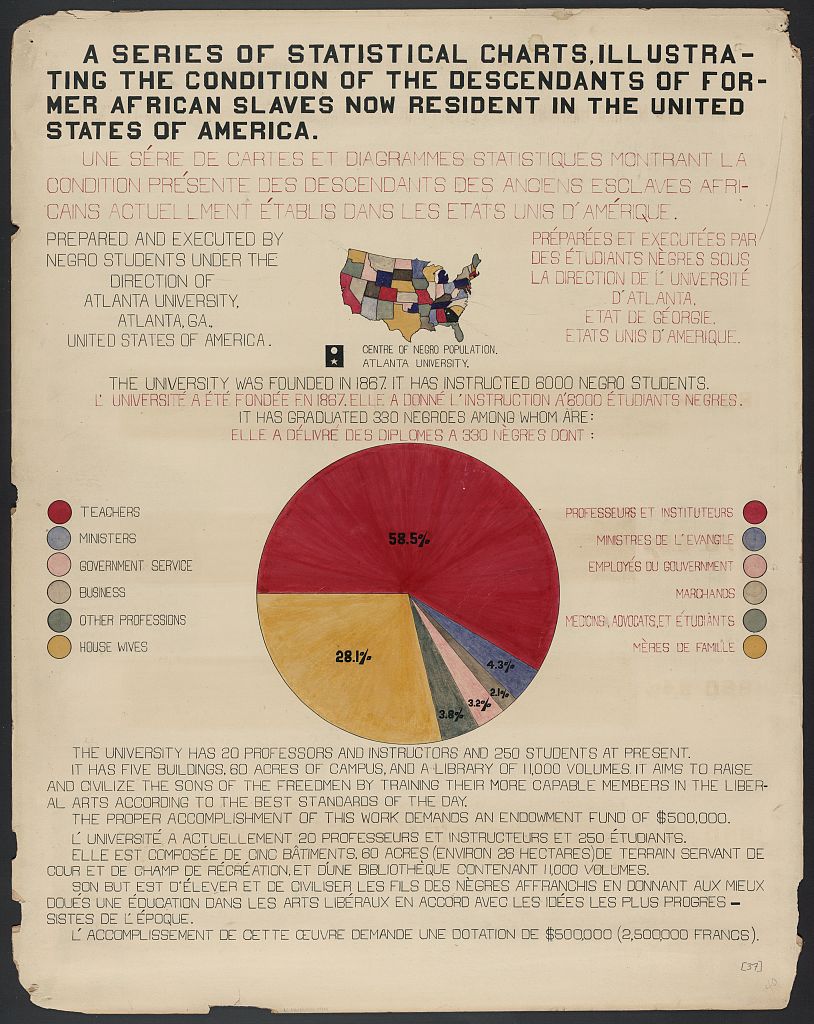 Atlanta made data beautiful before dashboards
Du Bois and Atlanta University students used design to challenge racist claims at the 1900 Paris Exposition.
Music, worship, public affairs and neighborhood news shared the airwaves.